A Gentle Autumn Harvest Routine: Foraging, Cooking, and Preserving at Home
Opening observation: On cool mornings the garden exhales a different kind of abundance—crisp apples, a last handful of beans, a few late basil leaves clinging to summer. Those small, quiet yields ask for a different rhythm than the rush of high summer: simple attention and a slow, repeatable routine that moves produce from field to bowl to pantry without fuss.
1. Morning gathering: a calm start
Begin with a short, clear plan. Whether you step into the backyard, walk a familiar hedgerow, or visit the neighborhood market, set aside fifteen to thirty minutes for gathering. This keeps the activity restorative rather than overwhelming.
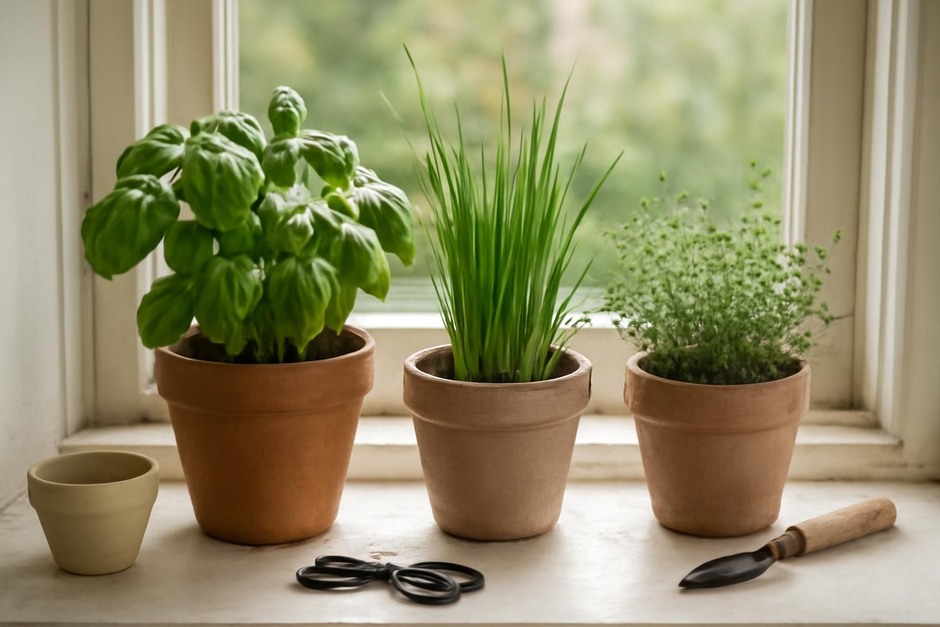
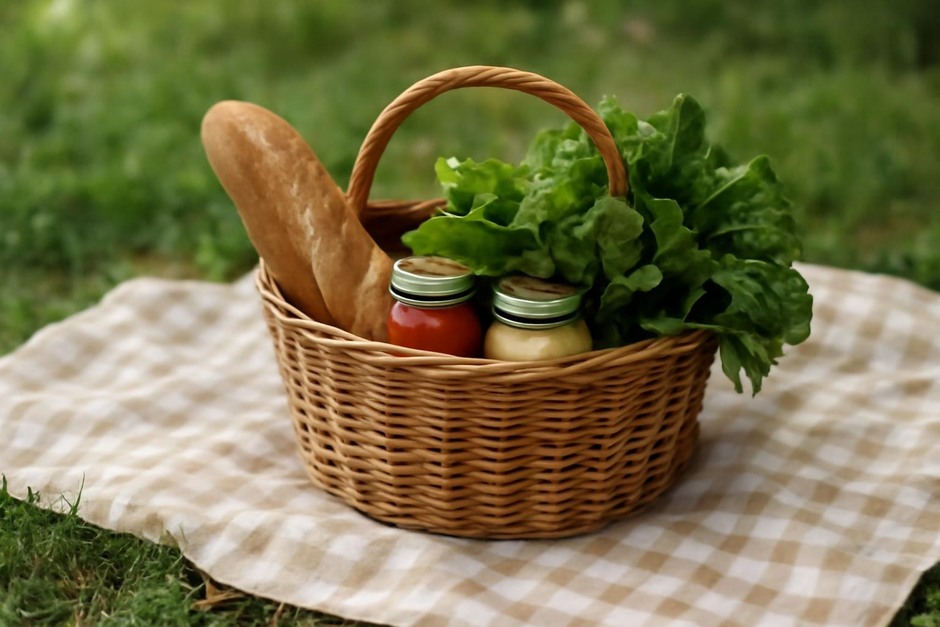
- Bring a simple kit: a shallow basket, a pair of scissors, and a cloth bag for delicate fruits.
- Look for small wins: a bowlful of crab apples, a few winter radishes, or the last of the raspberries.
- Respect what’s local: choose produce that’s abundant in your area—apples, pears, root vegetables, late tomatoes, squash, and hardy greens.
Turning this into a weekly habit helps you learn seasonal patterns and avoid waste. It also frames the day as one that celebrates what’s available, not what’s missing.
2. Gentle cleaning and straightforward prep
Once home, give produce a calm, efficient welcome. A gentle routine keeps fragile items at their best and reduces decision fatigue later.
- Sort at the sink: separate bruised fruits from perfect ones and set aside any that need immediate use.
- Quick rinse: cool water and a soft cloth for apples and pears; a short soak for root vegetables to loosen dirt.
- Minimal peeling: when possible, leave skins on for texture and nutrients—scrub rather than peel carrots and potatoes.
Keeping a few simple tools—a serrated knife for soft fruits, a vegetable brush, and a small paring knife—makes this stage pleasant and efficient.
3. Everyday recipes that highlight seasonality
Choose a handful of easy preparations you can repeat all season. Aim for techniques that bring out natural sweetness and depth: roasting, braising, quick stovetop reductions, and simple stews.
- Roasted roots: toss diced root vegetables with olive oil, a pinch of salt, and rosemary; roast until edges caramelize. Serve warm as a side or over grains.
- Pan-roasted apples: halve apples, pan-sear in butter until golden, and finish with a squeeze of lemon and a sprig of thyme to accompany cheeses or yogurt.
- Simple compote: simmer chopped fruit with a splash of water and a spoonful of honey or sugar until softened—use on porridge, toast, or stirred into plain yogurt.
- One-pot braises: pair a sturdy protein or mushrooms with cider or stock, aromatics, and chopped autumn vegetables for an easy weeknight meal.
These techniques are forgiving: quantities can be adjusted to what you have, and leftovers often taste better the next day.
4. Storage and small-scale preserving
Preserving is not about bulk or complexity; it can be a modest practice to extend the season’s flavors and reduce waste.
- Fridge readiness: keep apples separate from vegetables (apples emit ethylene gas) and store hardy greens in a damp cloth to prolong freshness.
- Freezing tips: blanch beans and greens briefly before freezing; freeze fruit compotes and roasted vegetables in small portions for easy meals.
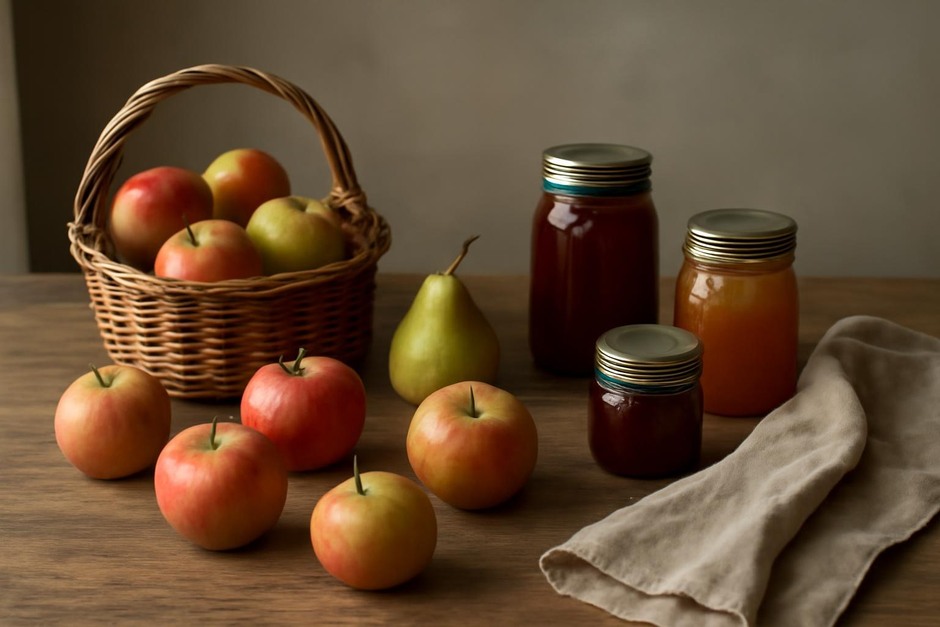
- Simple jams and chutneys: a small batch of jam or chutney requires little sugar and can be canned in a water bath or kept refrigerated for weeks.
- Pickling and vinegar quick-pickles: thinly sliced roots or cucumbers in a vinegar, water, and salt brine make a bright counterpoint to winter dishes and are ready in a day.
Label jars with dates and content so you can rotate supplies and enjoy a steady taste of autumn through the colder months.
Measured conclusion: A seasonal routine doesn’t demand grand projects—just a few repeatable actions that slow down and celebrate what’s at hand. By gathering mindfully, preparing with simple techniques, cooking a small repertoire of reliable recipes, and preserving modestly, you create an autumn practice that feels like an attentive companion to the changing light. Try one small habit this week and let it grow into a ritual that fits your home and rhythm.